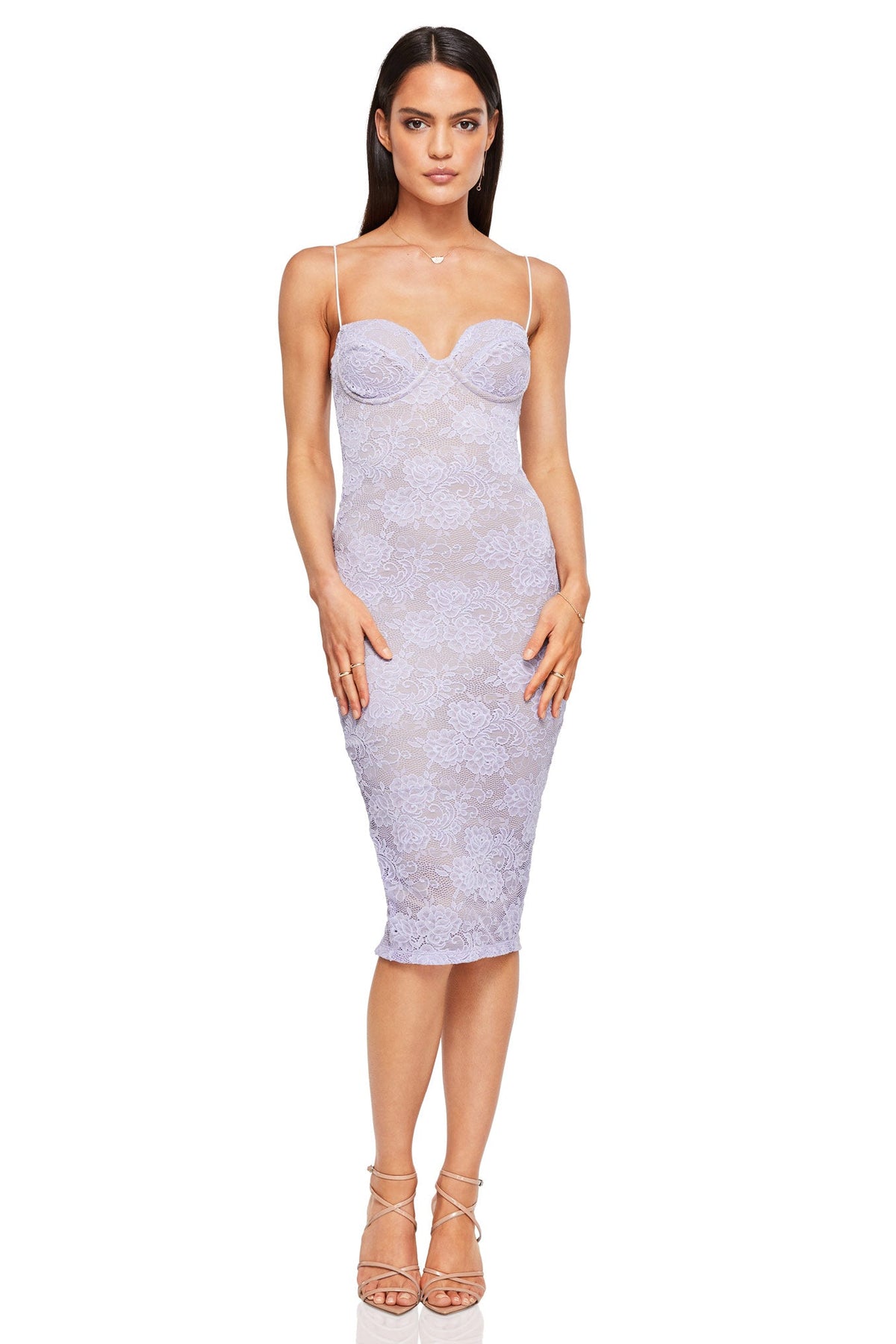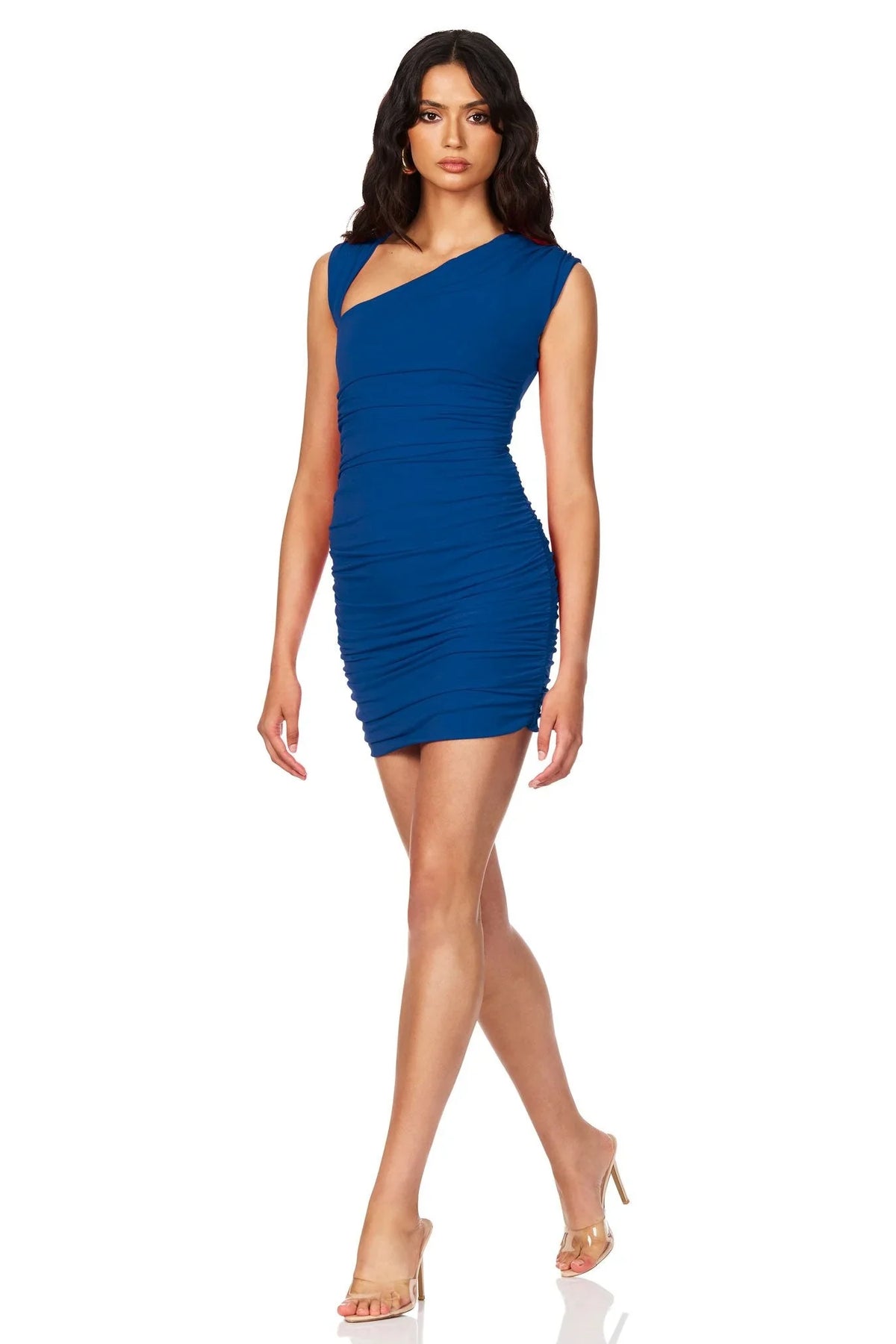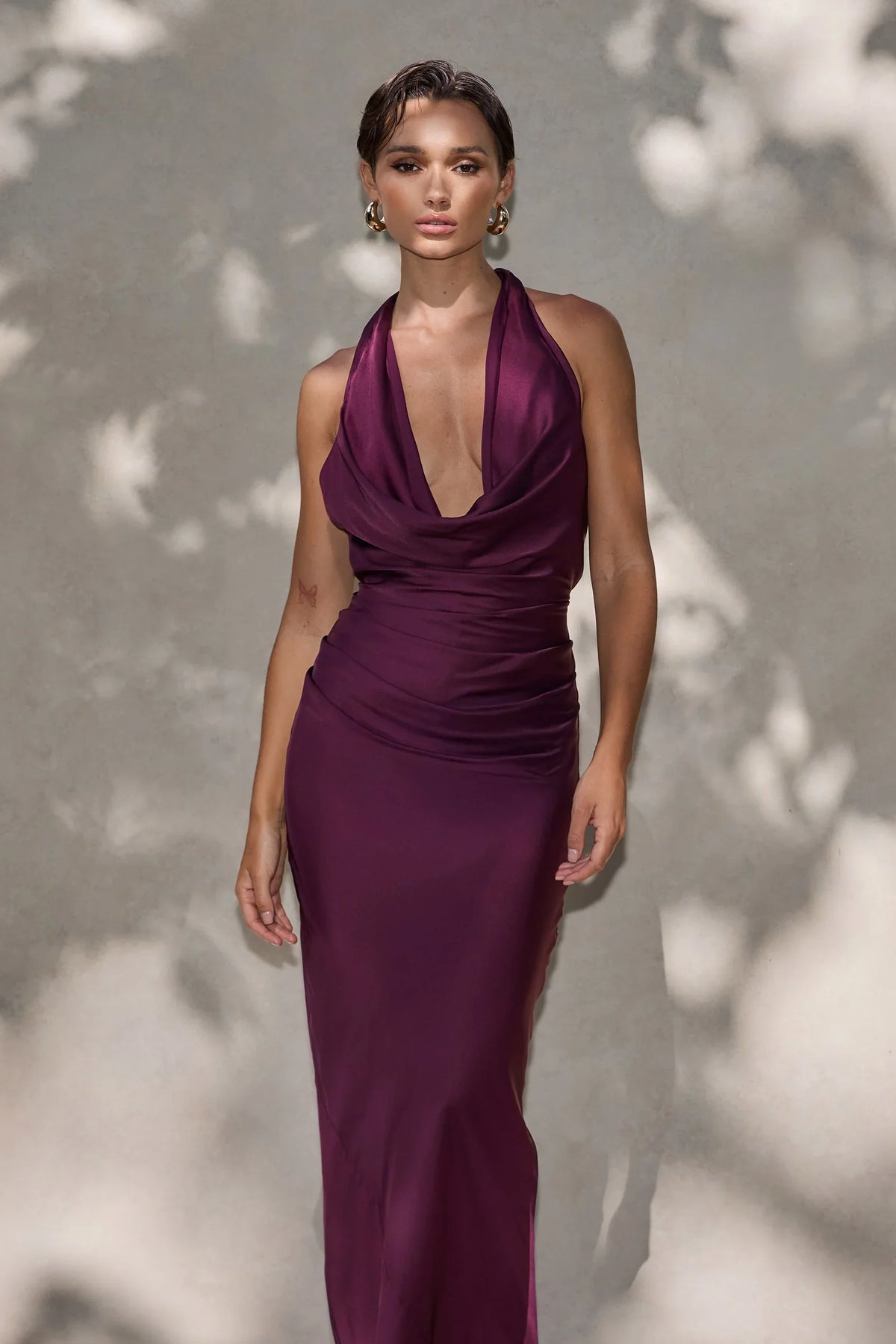
Checked against the sources listed under Further reading on 8 October 2026. Venue dress rules can change, so check them before the day.
In short
- A dress code tells guests how formal the event is and what the host expects them to wear. Australian guides rank them from black tie through formal and cocktail to smart casual and casual, with white tie at the top (SBS; ABIA).
- Black tie usually means an evening gown. Floor-length is the safe choice, and some guides expect it (SBS; Diane Gottsman, 2014). Others are looser: Debrett's also accepts a cocktail dress just below the knee or palazzo-cut evening trousers, and the Emily Post Institute a dressy cocktail dress (Debrett's; Emily Post Institute).
- Formal (black tie optional) is a step looser: a longer dress or a pantsuit in a luxe fabric (SBS), or a gown or dressy cocktail dress (Emily Post Institute). Smart casual means a nice dress, skirt or matching set, with no need for heels (SBS).
- Government House NZ treats cocktail, After Five and evening wear as one code: a cocktail dress or another dress just as smart, a skirt, or evening trousers (Government House NZ). Length advice runs from above the knee to any length, and knee length fits four of the five guides checked here (marie claire Australia, 2022; ABIA; Brides; The Knot; SBS).
- Lounge suit is read in different ways. At NSW investitures, held by day, it means a day dress, a pantsuit, or a skirt with a jacket (Governor of NSW); marie claire Australia reads it as closer to black tie (marie claire Australia, 2024).
- Time, place and invitation can shift how formal a code reads. Evening events, city venues and printed invitations lean more formal (Debrett's). Still unsure? Ask the host, or dress up (SBS; Debrett's).
For the top of the ladder, browse gowns in the Black Tie & Formal collection.
The dress code ladder
Most to least formal. Sources rank day codes differently. Debrett's groups morning dress with white tie and black tie as the three strict codes (Debrett's), and Broadsheet ranks it just below white tie, which it calls the evening alternative (Broadsheet, 2019), so this ladder places morning dress between white tie and black tie. Government House NZ, by contrast, ranks its day wear lowest (Government House NZ). Sources also disagree on where lounge suit sits. This ladder follows ABIA and marie claire Australia, which put it between black tie and cocktail (ABIA; marie claire Australia, 2024). Debrett's instead equates it with business attire (Debrett's). Formal and black tie optional share a row here, as they do for SBS and Brides; The Knot, a US wedding site, lists them as two tiers, with black tie optional the more formal (SBS; Brides; The Knot).
| Dress code (also written as) | When | What women wear | Sources |
|---|---|---|---|
| White tie (full evening dress, tails) | Evening; rare | A floor-length evening gown; no short dresses or trousers. Long gloves optional. | Debrett's, Emily Post |
| Morning dress (formal day dress) | Day; not after 6pm | Polished daywear (a modest dress, or a skirt and jacket), usually with a hat | Debrett's |
| Black tie (dinner jackets, DJs) | Evening | An evening gown, floor-length to be safe; also a dressy cocktail dress or palazzo-cut evening trousers | Debrett's, Emily Post |
| Formal (black tie optional) | Day or evening | A gown, a longer dress, a dressy cocktail dress, or a pantsuit in a luxe fabric | SBS, Emily Post |
| Lounge suit (business attire; day wear in Victoria*) | Day or evening | By day, a day dress, a pantsuit or a skirt and jacket; after dark, a cocktail-style dress with covered arms or a jacket | Governor of NSW, Debrett's |
| Garden party | Day, outdoors | A day dress; a hat or fascinator is usual at Buckingham Palace, and encouraged outdoors at NZ Government House | The Royal Household, Government House NZ |
| Cocktail (After Five, evening wear, smart frocks; festive adds a seasonal touch) | Usually evening | A cocktail dress or another dress just as smart, a skirt, or evening trousers. Lengths vary. | Government House NZ, Debrett's, Emily Post |
| Semi-formal | Day or evening; dressier after 6pm | A shorter cocktail or afternoon dress, a little black dress, or dressy separates. Same tier as cocktail for SBS and Broadsheet; a step below it on US wedding sites. | Emily Post, SBS, Broadsheet (2019), Brides, The Knot |
| Smart casual (dressy casual, per ABIA) | Day or evening | A nice dress, skirt, matching set or jumpsuit; knee or midi dresses for weddings. Denim advice varies. | SBS, ABIA |
| Casual | Any | Neat and clean; skip thongs and ripped clothes | SBS, Emily Post |
*"Day wear" means lounge suit in Victoria (Governor of Victoria) but smart casual at Government House NZ (Government House NZ), and Debrett's calls morning dress "formal day dress" (Debrett's).
What each code means
White tie
The most formal code, and uncommon today: a floor-length gown for some royal and state occasions, balls and formal evening weddings (Debrett's); ABIA says it isn't a popular choice for Australian weddings (ABIA). Debrett's calls white tie the time for tiaras, which it rules out at black tie, and says young girls should never wear them. More in Black tie vs formal; gowns are in the Black Tie & Formal collection.
Black tie
SBS calls black tie popular at weddings, awards nights and charity galas, and a Melbourne stylist it interviewed says it's the most formal code most people will meet in Australia, with women expected in a floor-length gown (SBS). The Federal Parliamentary Press Gallery's Midwinter Ball at Parliament House, Canberra, for one, lists it (Midwinter Ball).
A floor-length gown is the safe choice: US wedding sites expect it (The Knot; Brides), as does US etiquette expert Diane Gottsman, who rules out a cocktail dress (Diane Gottsman, 2014). Other guides are looser. The British etiquette guide Debrett's says on its dress-code page that long is usually best, though it also accepts a fitted dress just below the knee or palazzo-cut evening trousers, and the dress needn't be black (Debrett's), while its Deconstructing Dress Codes article calls a knee-length cocktail dress the most popular choice, with floor-length also an option (Debrett's). The Emily Post Institute also lists a dressy cocktail dress. See Black tie vs formal for more on length and trousers, and the Black Tie & Formal collection.
Formal, and black tie optional, preferred or creative
- Formal or black tie optional. In Australia "formal" is another name for black tie optional, read more flexibly; women usually wear a longer dress or a pantsuit in a luxe fabric (SBS). Emily Post adds a gown, a dressy cocktail dress or smart separates, and says men may wear a dinner suit or a dark suit (Emily Post). See Black tie vs formal and the Black Tie & Formal collection.
- Black tie preferred (or requested). The host wants black tie but lets guests who can't stretch to a dinner suit wear a dark suit and tie. For women, US etiquette expert Diane Gottsman suggests a three-quarter-length dress or a very smart black dress (Diane Gottsman, 2014).
- Creative black tie. The Emily Post Institute keeps black-tie formality but makes room for colour, texture and fun accessories, over a gown, a dressy cocktail dress or a little black dress (Emily Post). Debrett's reads it as a relaxed black tie, where strict rules aren't expected and a short or long dress, or evening trousers, will do (Debrett's).
- School formals. No state-wide formal dress code was found: Queensland and Victoria leave student dress codes to schools (Queensland; Victoria), so check your school's own formal rules. See School formal dress codes and the School Formal collection.
Morning dress, and dressing for the races
Morning dress belongs to formal daytime occasions such as weddings and memorial services, and Debrett's says it shouldn't be set for events starting after 6pm. For women: polished, modest daywear, usually a hat, and wedges rather than high heels on soft ground (Debrett's).
At Flemington, the VRC encourages morning suits for men on Derby Day, a custom rather than a rule (Victoria Racing Club). See what to wear to the Melbourne Cup Carnival and the Race Day collection.
Lounge suit
- At official daytime ceremonies: NSW investitures, held at 10am and 2pm, list a day dress, pantsuit, or skirt and jacket for women (Governor of NSW); Victoria pairs it with day wear (Governor of Victoria).
- Debrett's treats it as business attire: by day, a business look with a hem at the knee or just under it, and a cocktail-style dress with covered arms or a jacket after dark (Debrett's).
- marie claire Australia reads it as closer to black tie, and suggests a long black dress as a fallback (marie claire Australia, 2024).
Our suggestion, from the sources above: a polished knee-to-midi dress or tailored suit by day, a cocktail or midi dress at night, and floor-length only for a grand event. More in Black tie vs formal; shop Wedding Guest for day and Cocktail & Parties for evening.
Garden party
At Buckingham Palace garden parties, the Royal Household says, women wear a daytime dress and a hat or fascinator is usual (The Royal Household). No official Australian definition was found, so our suggestion is a smart day dress that copes with a lawn. For shoes, ABIA suggests flats or wedges where there's lawn or sand, in its smart casual wedding advice (ABIA). For garden weddings, see what to wear to a wedding as a guest and the Wedding Guest collection.
Cocktail, After Five and evening wear
Government House NZ treats these as one code. Merriam-Webster defines "after-five" as clothing for semi-formal evening events (Merriam-Webster); no source checked here ties it to a 5pm start.
On length the sources split: above the knee (marie claire Australia, 2022), around the knee (ABIA), tea-length, knee or midi (Brides), midi or shorter (The Knot), or any length (SBS). Knee length fits four of the five. See Cocktail attire for women, What to wear to an engagement party, and the Cocktail & Parties and Engagement & Bridal Shower collections.
Semi-formal
Dressier than office wear, a step below formal, and more formal after 6pm (Emily Post). SBS and Broadsheet (2019) put it in the same tier as cocktail, with SBS calling semi-formal the more reserved of the two, while Brides and The Knot rank cocktail a step higher. Cocktail attire for women compares the two; shop Cocktail & Parties.
Festive
Emily Post describes festive as cocktail dressing with a seasonal twist, a common pick for end-of-year and New Year's parties (Emily Post). See our work Christmas party and New Year's Eve guides, and the Festive & NYE collection.
Smart casual
Debrett's calls it possibly the hardest code to read. SBS lists it for work events and birthday parties: a matching set or a nice dress. ABIA adds flats or wedges on lawn or sand and treats "dressy casual" as another name for it, though Brides groups dressy casual with semi-formal. Effort still counts: as Debrett's puts it, "'Come as you are' rarely means what it says."
Jeans divide the sources: dark denim is fine for SBS, Government House NZ says avoid it, and Debrett's guides range from immaculate or tailored denim (Debrett's; Debrett's) to probably too casual (Debrett's). For parties, see What to wear to a work Christmas party and the Birthday collection.
Casual, and the wordy codes
- Casual still means neat, clean clothes, not loungewear (Emily Post); skip thongs and ripped clothes (SBS).
- "Dress to impress" and similar codes signal that the host wants guests to make an effort, so err on the dressy side (Debrett's). See Birthday party dress codes.
- Themed codes, such as "denim and diamonds", can be met with a nod through accessories (Debrett's).
Day vs evening
- Day codes: morning dress, ruled out after 6pm, and garden party, an afternoon event at Buckingham Palace (Debrett's; The Royal Household). Evening codes: white tie and black tie (Debrett's). Cocktail usually means evening: Government House NZ calls its cocktail code "evening wear" (Government House NZ) and Merriam-Webster defines after-five as clothing for semi-formal evening events (Merriam-Webster), though Broadsheet describes cocktail as bridging day and night (Broadsheet, 2019). Either: formal, lounge suit, semi-formal and smart casual (Emily Post; Debrett's; ABIA).
- Colour. Lighter colours suit daytime and darker ones evening, say ABIA for smart casual and Brides for semi-formal.
Reading the clues
When a code is vague or missing, look at these.
| Clue | Leans more formal | Leans less formal | Source |
|---|---|---|---|
| Time | Evening | Daytime | Emily Post |
| Invitation | A printed card, formally worded | A text or email | Debrett's, Emily Post |
| Venue | A castle or country club | A beach or backyard | The Knot, ABIA |
| Place | City | Country | Debrett's |
- The host, ceremony and season count too. A very traditional or older host can mean a more formal event (Debrett's); religious ceremonies may expect covered heads, shoulders or toes (Emily Post); Brides adds the season (Brides).
- Some codes are guidance; some are enforced. Government House NZ calls its codes guidelines, not rules of entry (Government House NZ), but the VRC can refuse entry to Flemington's Members Enclosure if it judges an outfit inappropriate (Victoria Racing Club).
- No code at all? Check the venue and forecast, ask the host or planner, and if still unsure, dress up (ABIA). For a wedding, Brides suggests a knee-length cocktail dress (Brides).
For hosts: how to word a dress code
- Put it where guests look. On a formal printed invitation, the code goes bottom right (Debrett's). The Knot suggests a lower corner or the bottom centre, with detail on a card or website (The Knot).
- Use a well-known code, or describe what you mean. ABIA notes that "lounge suit" and "black tie optional" puzzle guests; its planners suggest naming the clothes and shoes, suiting the venue, and adding a mood board online (ABIA).
- Think twice about inventive codes. Debrett's warns they can leave guests anxious (Debrett's).
Sample wording (our suggestions, based on the advice above):
| If you want | Write | Why |
|---|---|---|
| White tie, gently | "White or black tie" | White tie can be hard for some guests (Debrett's) |
| Lounge suit, spelled out | "Lounge suit: suit and tie, day dresses or tailored separates" | The term puzzles guests (ABIA) |
| Cocktail on a lawn | "Cocktail: knee to midi dresses. Flat shoes for the lawn." | Name the clothes and shoes, and suit the venue (ABIA) |
| Smart casual, with limits | "Smart casual: no jeans or thongs, please" | Name exclusions at the casual end (The Knot) |
| No dress code | "There's no dress code" | Say so, to prevent confusion (The Knot) |
Find your look for each dress code
For white tie, black tie and formal, browse the Black Tie & Formal collection. For cocktail and semi-formal, try Cocktail & Parties. For occasions, see Wedding Guest, Race Day, School Formal, Engagement & Bridal Shower, Festive & NYE and Birthday.
Frequently asked questions
What do dress codes on invitations mean?
What's the difference between black tie optional, preferred and creative?
What's the difference between white tie and black tie?
What does "After Five" mean on an invitation?
What does "lounge suit" mean for women?
Is cocktail the same as semi-formal?
What is garden party attire for women?
What should you wear if the invitation has no dress code?
Where should a dress code go on an invitation?
Further reading
- From black tie to casual: how to decode dress codes, SBS, 2026
- A simple guide to wedding guest dress codes, ABIA Weddings Australia, 2026
- Events and dress codes, Debrett's
- Deconstructing dress codes, Debrett's
- Addressing the dress code, Debrett's
- Correspondence, Debrett's
- Attire guide: dress codes from casual to white tie, The Emily Post Institute
- Wedding guest attire, The Emily Post Institute
- Inside weddings: modern invitations, The Emily Post Institute
- Dress code for Government House events, Governor-General of New Zealand, 2021
- Investiture ceremonies, Governor of New South Wales
- Australian honours and awards, Governor of Victoria
- Garden parties, The Royal Household
- What to wear, Victoria Racing Club
- Tickets, Midwinter Ball
- After-five: definition and meaning, Merriam-Webster
- Wedding dress codes: a deep dive into every kind of attire, The Knot, 2026
- A wedding dress code wording guide that won't leave your guests confused, The Knot, 2026
- Every wedding guest dress code, explained, Brides, 2025
- A guide to black tie etiquette, Diane Gottsman (The Protocol School of Texas), 2014
- What to wear for a lounge suit dress code event, marie claire Australia, 2024
- What to wear for every dress code: your official guide, marie claire Australia, 2022
- The back row: dress codes, Broadsheet, 2019
- Student dress code procedure, Queensland Department of Education
- Student dress code: policy, Victorian Department of Education