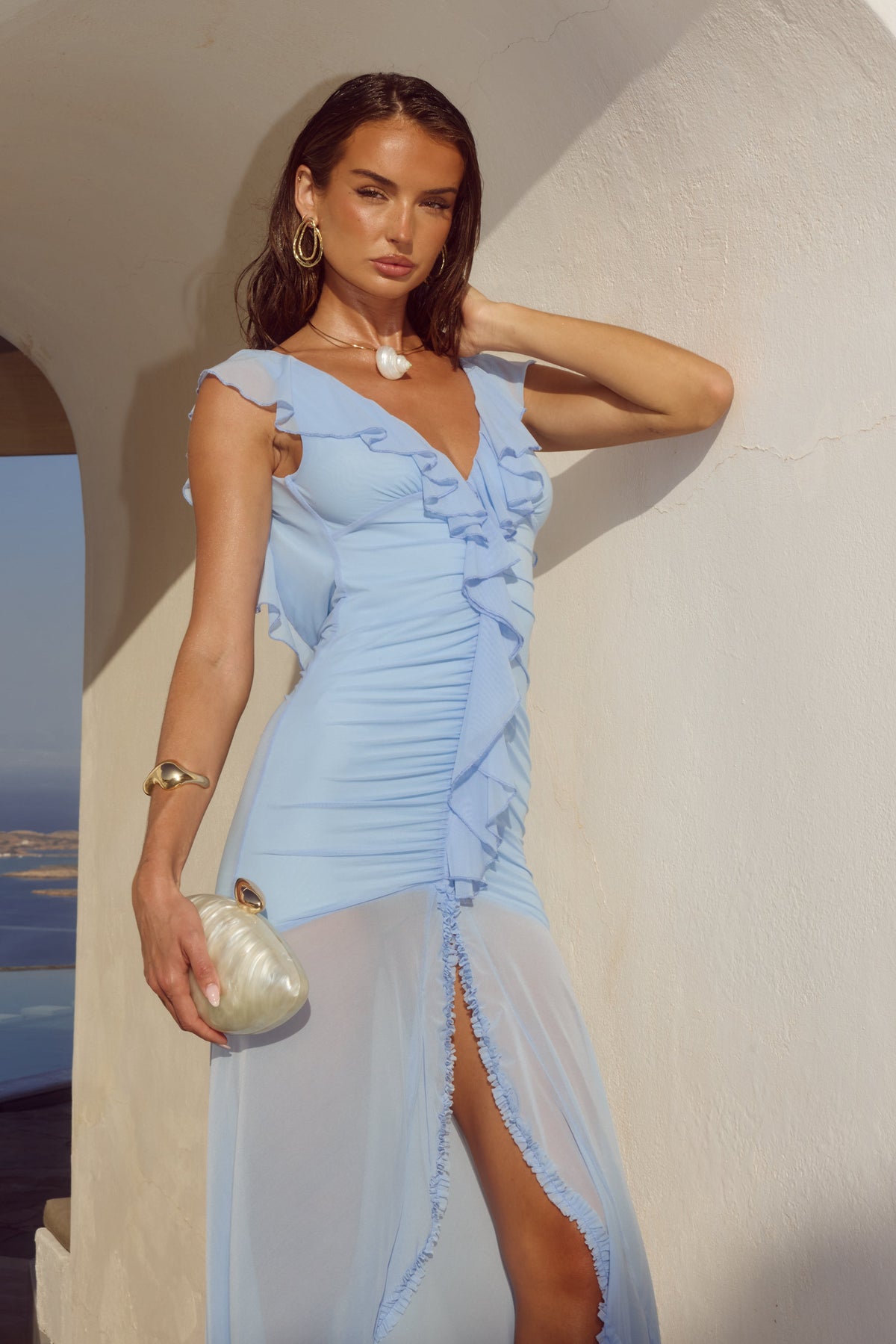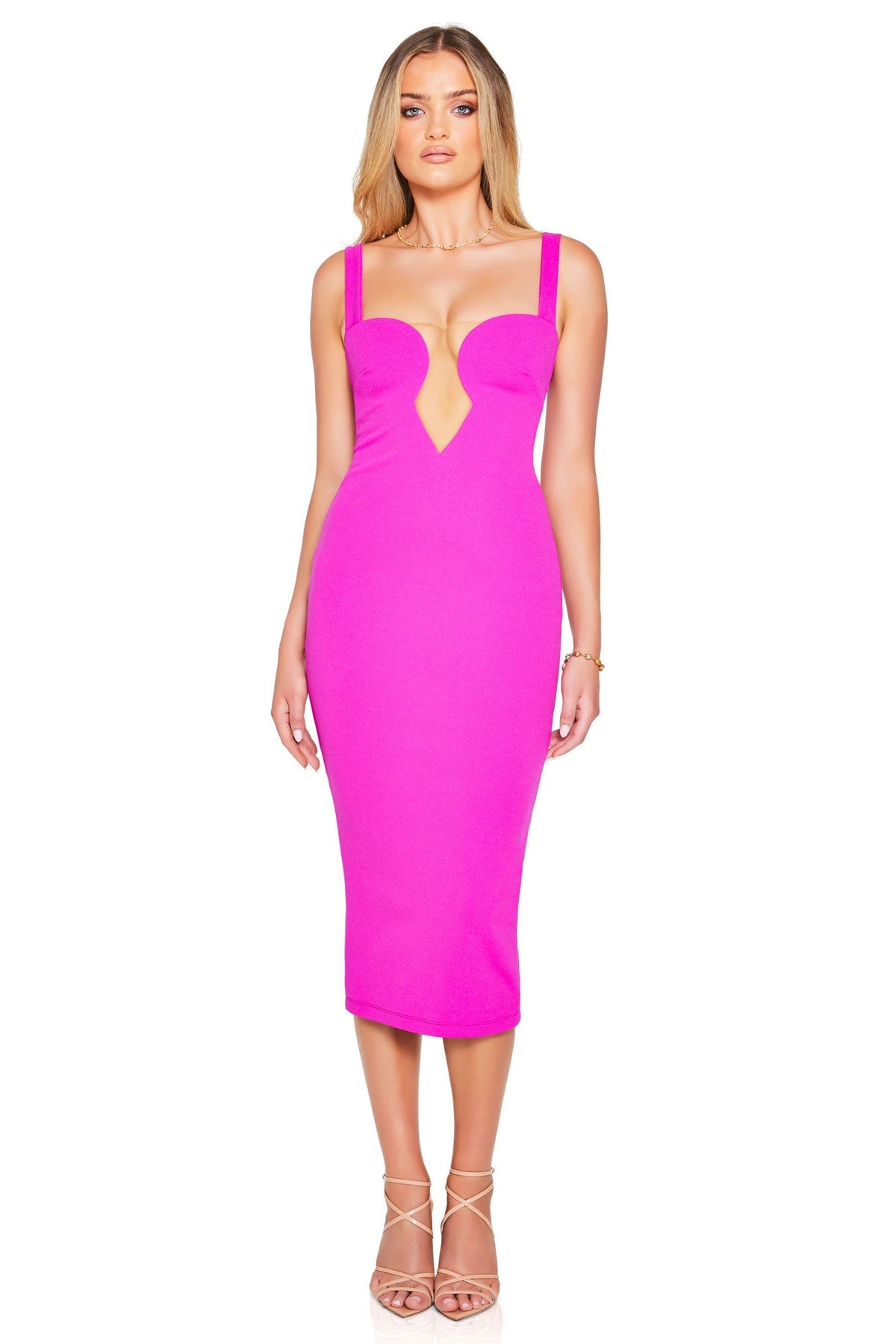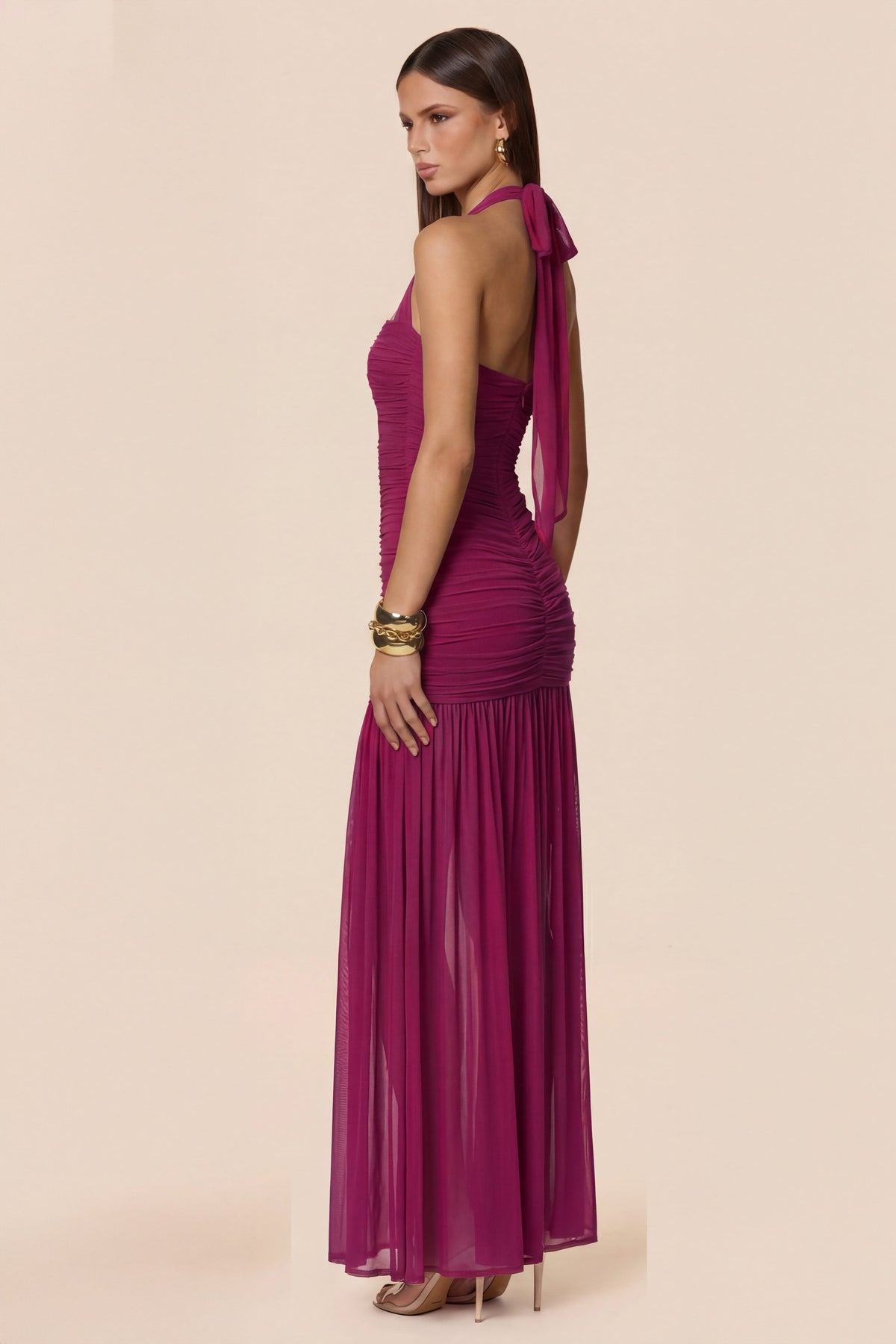
In short
- Black tie is the more formal code. It's a specific evening dress code. Men wear a dinner suit (tuxedo) and bow tie, and women wear an evening gown. A floor-length gown is always correct.
-
Black tie isn't strictly floor-length only. Etiquette authorities also accept:
- a dressy cocktail dress (Emily Post Institute)
- a fitted dress ending just below the knee (Debrett's)
- evening trousers (Debrett's; Government House NZ)
- "Formal" on its own is looser. In Australia it's often read as black tie optional (SBS). A gown, an elegant midi or a dressy cocktail dress all work. US wedding sites list it as a separate tier below black tie.
- Unsure? Go long. Being a little overdressed is easier to carry off than being underdressed.
The dress codes, from most to least formal
This is what each common invitation code means for women, with the sources behind each line.
| Dress code | What to wear | Length | Sources |
|---|---|---|---|
| White tie | Full-length formal evening dress. The most formal code, and rare today. | Floor. Shorter dresses and trousers aren't acceptable. | Debrett's |
| Black tie | Evening gown in silk, crepe, chiffon or similar. Palazzo-cut evening trousers are also acceptable. | Floor-length is safest. A dressy cocktail dress, or a fitted dress just below the knee, is acceptable to the authorities. | Debrett's, Emily Post |
| Black tie optional | Evening gown, shorter cocktail dress or dressy separates | Floor or cocktail length | Emily Post |
| Formal (on its own) | Gown, elegant midi or dressy cocktail dress. In Australia it's often read as black tie optional. | Floor to just below the knee | SBS |
| Lounge suit | Day dress, skirt and jacket, or pants suit. For evening, a smart or cocktail dress with sleeves or a jacket. | On or just below the knee | Governor of NSW, Debrett's |
| Cocktail / After Five / evening wear | Cocktail dress or similar smart dress, a skirt, or evening trousers | Usually knee to midi | Government House NZ |
| Smart casual | Day dress, blouse with skirt or trousers. Avoid shorts and thongs. Advice on dark denim varies. | Any | Government House NZ, SBS |
What black tie means
Black tie is the most common formal evening dress code. You'll see it on invitations to galas, balls, awards nights and evening weddings. The Federal Parliamentary Press Gallery's Midwinter Ball at Parliament House, for example, is black tie (Midwinter Ball).
For women, the guidance is:
- A gown in an evening fabric. Debrett's names silk, crepe and chiffon. Satin, velvet and sequins sit in the same family.
- It doesn't have to be black. Debrett's makes the point that black on its own doesn't guarantee the right level of formality either. Jewel tones, deep reds and metallics are all at home.
- Evening trousers are acceptable. Debrett's specifies a palazzo cut rather than tight-fitting. Government House in New Zealand also lists evening trousers for black tie.
- Jewellery can be fine or costume, but tiaras belong to white tie, not black tie (Debrett's).
For a partner: a dinner suit (tuxedo) with a black bow tie is the standard (Emily Post).
Browse gowns in the Black Tie & Formal collection.
Does black tie have to be floor-length?
Not strictly, but floor-length is the choice nobody will question. This is where sources genuinely disagree:
- US wedding publications lean floor-length. The Knot lists floor-length formal gowns for black tie. Brides says the gown shouldn't show the ankles, though it allows a sophisticated cocktail dress at a less formal wedding if you check with the couple first.
-
Etiquette authorities are more flexible.
- The Emily Post Institute lists a floor-length gown, a dressy cocktail dress or your dressiest little black dress.
- Debrett's accepts a dress that's long, or at least not very short, including a fitted cocktail dress ending just below the knee.
- A black-tie wedding is the most traditional setting. Couples sometimes spell out "floor-length" on the invitation. If they do, that's the rule.
The practical answer: if the invitation says black tie and you want zero doubt, wear a floor-length gown. If you choose a shorter dress, make it unmistakably eveningwear: a rich fabric, a considered neckline and elevated accessories. It shouldn't be a day dress dressed up.
What "formal" means
"Formal" on its own is one of the least precise codes on an invitation:
- In Australia it's often used interchangeably with black tie optional, and interpreted more flexibly than black tie (SBS).
- US wedding sites list "formal" as its own tier below black tie and black tie optional. Floor-length dresses, sleek jumpsuits and elegant cocktail dresses all fit (The Knot).
- The Emily Post Institute notes that for formal evening weddings, a long dress versus a dressy cocktail dress can depend on local custom (Emily Post).
For women, "formal" usually means: a gown, an elegant midi or a dressy cocktail dress. Men wear a dark suit and tie, or a dinner suit if they prefer.
Read the details around the code:
| Clue | Leans more formal | Leans less formal |
|---|---|---|
| Time | Evening | Afternoon |
| Venue | Ballroom or grand dining room | Garden, winery or restaurant |
| Invitation | Printed | Email or message |
Debrett's makes the same point about invitations in general: the format of the invitation is itself a signal (Debrett's).
Black tie optional, preferred and creative
- Black tie optional: tuxedos are welcome, but dark suits are fine. For women, a gown, a shorter cocktail dress or dressy separates all work (Emily Post).
- Black tie preferred (or requested): the host wants black tie and allows a dark suit and tie only for guests without a dinner suit (The Black Tie Guide). Dress as you would for black tie.
- Creative black tie: black-tie formality with room for colour, texture and fun accessories (Emily Post). A statement gown or a sharp evening trouser suit fits here.
Lounge suit: the Australian code that confuses everyone
"Lounge suit" appears on Australian and British invitations, but rarely on American ones. That's partly why so little clear advice exists for women.
- In official Australian use it's daytime-smart. For NSW investiture ceremonies, the Governor of NSW lists a day dress, skirt and jacket, or pants suit for women, with hats and gloves optional (Governor of NSW).
-
Debrett's says the same:
- By day: a day dress, trouser suit, or skirt and jacket, ending on or just below the knee.
- In the evening: a smart or cocktail dress with sleeves or a jacket (Debrett's).
- Some Australian fashion media read it as closer to black tie (marie claire Australia).
The practical answer:
- Daytime lounge suit: a polished knee-to-midi dress, or a tailored suit.
- Evening lounge suit: a cocktail dress that's elegant rather than clubby. Midi length is safest.
- Floor-length isn't needed unless the event is clearly grand.
White tie, briefly
White tie is the most formal code of all, and uncommon today. For women it means a full-length formal evening dress. Shorter dresses and trousers aren't acceptable. It's also the only code where a tiara is traditionally worn, and then not by young girls (Debrett's).
Dressing for black tie in an Australian climate
- Winter black tie (June to August). Choose velvet, heavier crepe or long sleeves, or add an evening wrap or tailored coat for arriving and leaving.
- Summer black tie. Floor-length still applies. Choose lighter fabrics such as chiffon, georgette or silk, and open or strappy necklines. Debrett's mentions sheer or black tights at black tie, but that's a British convention. Bare legs under a long gown are unremarkable here.
- Outdoor venues. Lawns, vineyards and beach venues are a hazard for stiletto heels. Choose a block heel or a platform that works under a long hem.
Frequently asked questions
Is black tie the same as formal?
No. Black tie is a specific evening code: dinner suits for men, evening gowns for women. "Formal" is broader. In Australia it's often used to mean black tie optional, where gowns, elegant midis and dressy cocktail dresses all fit.
Can you wear a cocktail dress to a black-tie event?
Etiquette authorities say yes, if it's dressy. The Emily Post Institute lists a dressy cocktail dress, and Debrett's accepts a fitted dress to just below the knee. US wedding guides and some couples expect floor-length, so if the invitation says "floor-length" or it's a black-tie wedding, wear a gown.
Can women wear pants to black tie?
Yes. Debrett's accepts palazzo-cut evening trousers, and Government House in New Zealand lists evening trousers for black tie. Choose an evening fabric and keep the cut fluid rather than tight.
What does "lounge suit" mean for women?
In Australian official use, a day dress, skirt and jacket, or pants suit, ending on or just below the knee. For an evening event, a smart or cocktail dress with sleeves or a jacket.
What is black tie optional?
The host would like dinner suits but accepts dark suits. Women can wear a gown, a shorter cocktail dress or dressy separates.
What colour should you wear to black tie?
It doesn't have to be black. Debrett's notes black alone doesn't make an outfit formal enough. Rich colours and evening fabrics matter more than the shade. At a wedding, leave white and ivory to the couple.
Shop by dress code
- Black tie and formal: gowns in the Black Tie & Formal collection
- Black tie optional, formal and cocktail: the Cocktail & Parties collection
- Weddings: the Wedding Guest collection, and our guide to what to wear to a wedding as a guest
- School formals and balls: the School Formal collection
Sources
All sources were accessed on 27 September 2026.
- Debrett's, Events and dress codes (white tie, black tie, lounge suits)
- Debrett's, Addressing the dress code
- The Emily Post Institute, Attire guide: dress codes from casual to white tie
- The Emily Post Institute, Wedding guest attire
- Governor-General of New Zealand, Dress code for Government House events
- Governor of New South Wales, Investiture ceremonies
- SBS, From black tie to casual: how to decode dress codes (25 November 2025)
- marie claire Australia, Lounge suit dress code for women
- The Knot, Wedding dress codes: a deep dive into every kind of attire
- Brides, Every wedding guest dress code, explained
- Midwinter Ball, Tickets
- The Black Tie Guide (Gentleman's Gazette), Black tie dress code explained